
The Lost Art of Sun-Curing Lakadong Turmeric
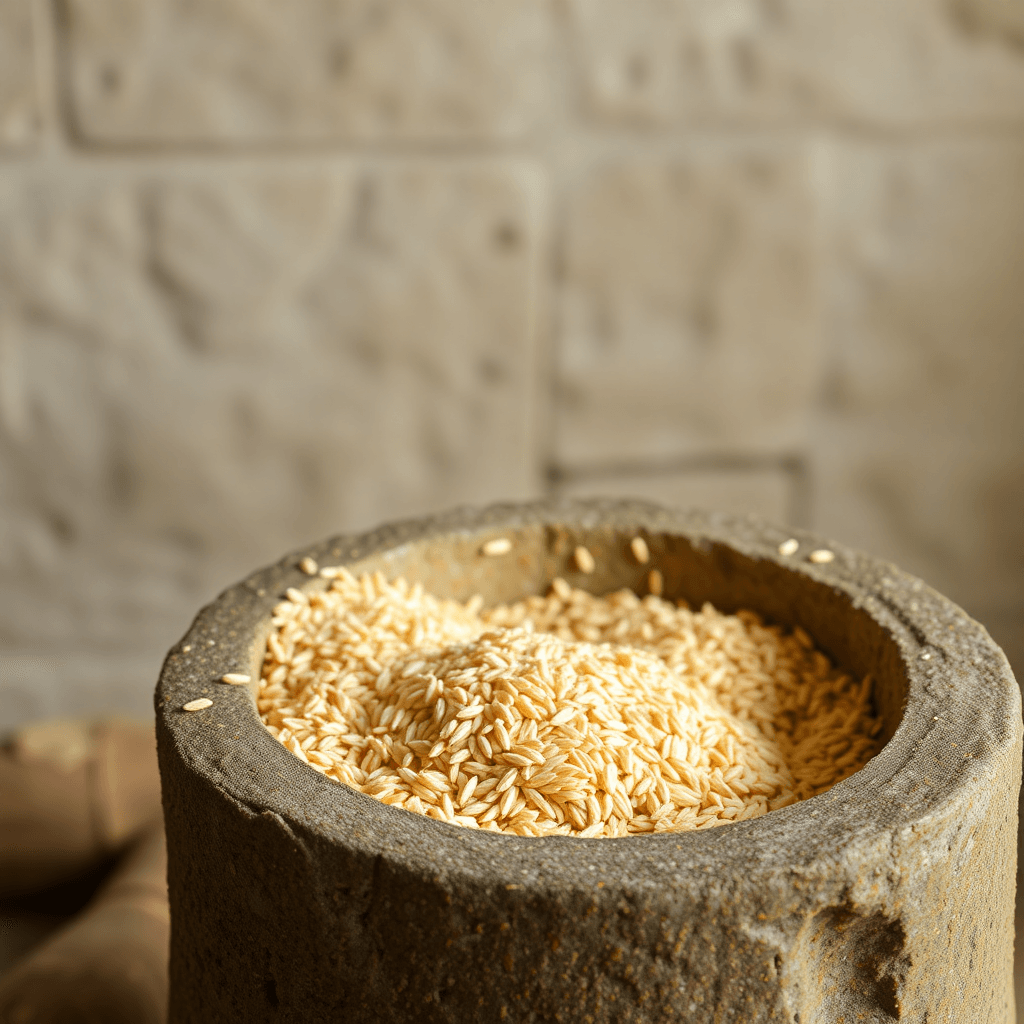

In the relentless pursuit of efficiency, the modern spice industry has sacrificed the very essence of flavor. Walk into any commercial processing plant today, and you will find colossal mechanical dehydrators, forcefully extracting moisture from raw turmeric roots in a matter of hours. The result is a uniformly dry, lifeless nub, stripped of its volatile oils by extreme, artificial heat.
But in the mist-shrouded hills of Meghalaya, where the legendary Lakadong turmeric is cultivated, time moves differently. Here, the preservation of the harvest relies not on diesel-powered machines, but on the rhythms of the sun and the meticulous care of the farmers.
The Science of Slow Curing
The sun doesn't just dry the root; it matures the flavor. The gentle, fluctuating heat allows the curcuminoids to stabilize, deepening the color from a pale yellow to a vibrant, resonant orange.
This process takes weeks. It requires constant vigilance—turning the roots by hand to ensure even exposure, and hurriedly covering them when the unpredictable hill rains approach. It is labor-intensive and entirely dependent on the whims of nature.